
The Y Not You PodcastMarketing
How Organic Content Turned a Lawyer Into a Brand
Peter Tilem had never advertised his subscription business online. Less than a year of organic content later, judges know who he is, other lawyers send him referrals, and his YouTube channel has grown from 500 subscribers to more than 8,000.
Key takeaways
- Optimize every profile before you post. Photo, bio and links should say who you are, what you do, and where to go next.
- Post everywhere, not just where you’re known. Our client only wanted TikTok. Five platforms gave him more swings at a home run.
- Use the 10 to 1 method. One call to action for every ten organic posts, and organic that doesn’t look like an ad.
- Let your audience pick the topics. The comments tell you what to make next, so you never run out.
- Start with your phone. Consistency matters more than equipment, and your first video won’t look like your hundredth.
Organic content is anything you post without money behind it, leaving each platform’s algorithm to decide who sees it. Social media has been around for years, and organic is still the part most owners forget about. Plenty jump straight to paid ads, because paid lets them control the views. In our experience, organic is one of the most undervalued forms of marketing there is, and skipping it means skipping the most honest feedback you can get.
When something performs well organically, what that means is that it resonated with an audience. People cared to watch it without you forcing it in front of them.
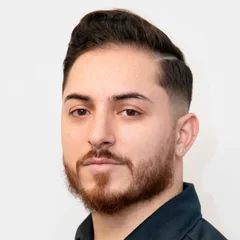
Francis VolpeFractional CMOWe work with a lot of professionals: lawyers, financial advisors, wealth managers, doctors, realtors and mortgage professionals. One of them, a lawyer whose subscription business had never been advertised online, shows what organic content can do better than anyone.
Your expertise is the content
Professionals have something most brands would pay for: years of knowledge their clients actually want. Whatever a lawyer, an advisor or a doctor has learned over a career is the content, and it should be educational.
That doesn’t mean anyone has to dance on camera. If that is your personality, great. If it isn’t, nobody should make you. We never sit across from a client and tell them what they have to do. The first question is who that person is and how they want to be perceived, because that is what people will come to associate with the brand.
Organic shouldn’t look like an ad
A common assumption is that organic content should match your paid ads: polished, like a commercial. It shouldn’t. Even in paid advertising, a portion of your ads shouldn’t look like ads at all. The call to action is subtle, a product in the shot or a line said in passing. Other ads should be direct, especially when you are A/B testing. One we have been running for a client pursuing a class action says exactly what it is looking for, with no sugarcoating, and it has been very successful.
Organic follows its own rule, which we call the 10 to 1 method. For every ten pieces of organic content, one carries a call to action, like “sign up for this” or “go here.” The other nine earn the attention that makes that one work.
A lawyer who never ran an ad
Peter Tilem runs Tilem & Associates and has more than 30 years in law, including time as a prosecutor in New York City. He also owns NY TAC Defense, a subscription business that gives members prepaid legal representation if they end up in a self-defense situation. He had never advertised it online. It grew through word of mouth and in-person events.
We were introduced to him to shoot a single testimonial video for YouTube. He liked working with us, and soon he wanted to talk about social media. He thought there was a huge opportunity in his field. He just didn’t know what to do with it.
So before we made any content at all, we sat down and looked at what he had: decades of experience, a strong reputation, a lot of excellent reviews, and a niche people talk about constantly, the Second Amendment and the right to carry. He also practices divorce and real estate law, but that niche became his position. He is now known as the Second Amendment lawyer, and he loves it. Once you are known for one thing, you can broaden later. That comes down the line.
Five platforms, not one
The plan was short-form video, a set number of videos a month, posted on every platform: TikTok, Instagram, Facebook, YouTube and LinkedIn.
He pushed back. He had already gone viral on TikTok with trend videos. He didn’t use his Instagram or his YouTube, and he didn’t see why he should post anywhere else. Our answer was the oldest cliché in sports: give yourself more at-bats. The more swings you take, the better your chance of hitting a home run. We meet with him once a month to go through the content data and decide what comes next.
Optimize every profile first
Before any of that content could pay off, every profile had to be ready for the people it would send. Optimized means it is easy to tell who he is, what he does, and where he wants you to go. We did it on every page, including the separate NY TAC Defense Facebook page, not just the Tilem & Associates accounts.
- The profile photoBrand pages use the logo, so Tilem & Associates and NY TAC Defense are instantly recognizable. His own page uses a headshot, so people connect the face with the firm.
- The bioOne of the first things anyone reads. It has to say plainly what he does and how to reach him. At the top of the funnel, every bit of friction costs you.
- One destinationEvery profile links to the same place, NY TAC Defense, whether someone finds him on YouTube, Instagram or anywhere else.
- A way to hire himAnyone who needs more than the subscription can find the firm’s number, and his name is easy to find on Google.
Short form first, then long form
TikTok took off first, with 100,000 views on one video and 30,000 on another, and it kept growing. Then the results showed up offline. People started recognizing him in person. Judges started to know who he was when he walked into court. And the part he loved most: NY TAC Defense’s churn dropped and its subscriber count climbed. Word of mouth was already doing that work. Social media made word of mouth louder. His caseload grew, too.
After a few months of short-form, with TikTok clearly his winning platform, we proposed long form. He was all in, because he had always found it hard to fit everything into 90 seconds. So we took his best-performing short videos, judged by the data from each platform, and turned those topics into long-form videos of six to eight minutes.
The shift on YouTube was dramatic. His channel had 500 subscribers and he had never posted on it. It now has more than 8,000 subscribers and over 2 million views, and it is monetized.
Let the comments write the content
The question we hear most about content is what happens when you run out of topics. You don’t.
There’s no such thing as running out of topics, because marketing is saying the same thing 100 times, 100 different ways.
Francis VolpeFractional CMONew topics come from two places. The first is the day-to-day, including real cases he is allowed to talk about. The second is the audience. Once you have one, what you should make next is right in front of you, in the comments. On YouTube, you can even ask the platform’s built-in AI which topics come up most in your comments. When a topic keeps coming up, we make more on it. Not every viewer saw the first video, and what is old to you is new to someone else.
He brings topics to our monthly meetings himself now: people keep commenting about this, so let’s cover it. He also answers the first handful of comments on his videos personally, so people can see there is a real person behind Tilem & Associates. Not an AI, not an automation, not an assistant.
Your community is your followers and should in a way dictate the content you put out, because those are the subjective opinions you should care about.
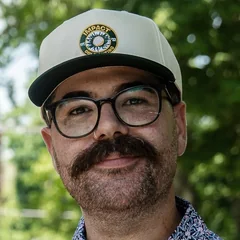 Michael CapozziFractional COO
Brand outsells selling
Consistency is the part nobody can shortcut. Posting for a week and expecting results is like going to the gym for a week and expecting to lose 25 pounds. He has not stopped, and the content keeps getting better. He speaks for a living, but on camera he has developed what we call his social media cadence. He knows what tone works, what people are watching and how to deliver it, and he knows it is not how he speaks in a courtroom. Francis now meets people all the time who watch his videos.
Brand will outsell selling any day of the week, because eventually the brand sells for you.
Francis VolpeFractional CMOThere is no negotiating when people already want to work with you. Less than a year after he started posting, he is getting referrals from other lawyers he has never done business with. Social media is no longer an experiment for him. It is his marketing, and he wants more of it, because more content has meant more calls to the office, more cases, new kinds of cases and new connections.
With an audience in place, the brand can carry more voices. The other lawyers at his firm can step in on their own specialties, like divorce or parking tickets: sub-brands of the brand. We have also pitched him a Tilem & Associates podcast, with guests like the lawyers at his firm, judges and former detectives, and clips cut from every episode. His eyes lit up. One long conversation becomes many pieces of content.
Start with your phone
Do you need a professional camera to start? No. Don’t post blurry videos and don’t film in the dark, but in today’s world, imperfection is the new perfection. People want to connect with people, and a phone is plenty to start with. If you are producing something bigger, like a podcast, hire a team and do it properly. When you are starting out, selfie videos are fine. Your first video won’t look like your hundredth, and the only way to get better is to make more.
The other thing to let go of is your own taste. Just because you don’t like a kind of video doesn’t mean the millions of people scrolling these platforms won’t. Stop deciding for them. If you flub a word in a selfie video, post it anyway. It’s organic. It’s human.
If you’re a professional, you’re an encyclopedia. Put what you know out there in a way people can easily understand, make sure every profile makes it easy to hire you, and keep going. Attention equals opportunity.
Francis Volpe
Fractional CMO and one of the three Managing Partners of Y Not You. Built Snack Time TV to 500M+ views and 800K+ followers, was named a Top 20 Wunderkind Under 35 in Westchester County, and has been featured on Fox 5 NY.
Michael Capozzi
Fractional COO and one of the three Managing Partners of Y Not You. Former Apple Leadership Team, now leading the firm’s AI, automation, and operations advisory. Named a Top 20 Wunderkind Under 35 in Westchester County.
Want content that brings in clients?
Every engagement gets all three Y Not You partners. Tell us what you know better than anyone and we will tell you how we would put it on camera.
For owners anywhere
The Business Collective
Group-scale access to all three Y Not You partners: a daily knowledge tip, a weekly open-forum call, a monthly networking call, and a quarterly guest speaker.
Join The Business Collective